


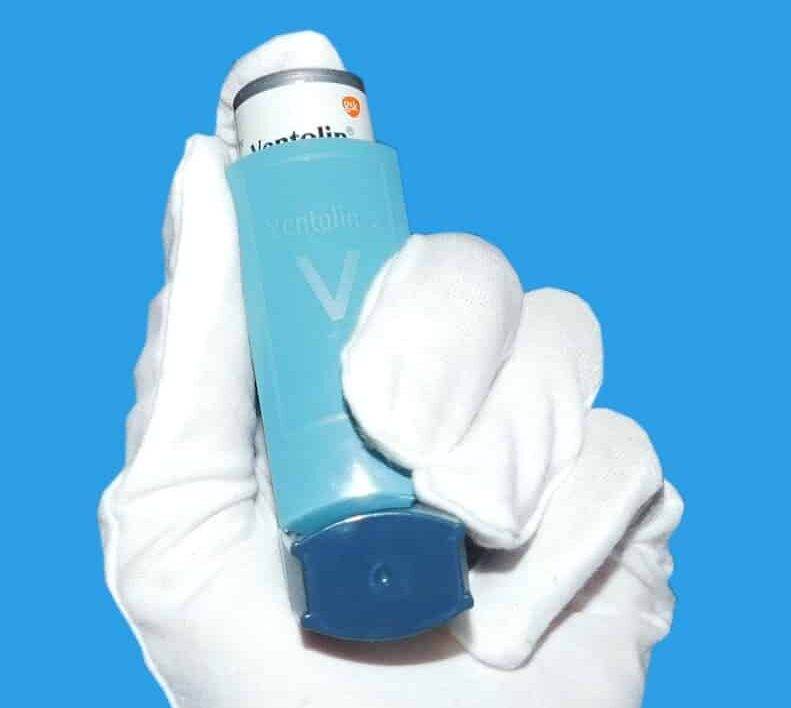
Asthma is often dismissed as a common respiratory condition that people “just live with.”
However, for millions of children and adults worldwide, asthma is far more than an occasional wheeze—it is a chronic, unpredictable, and potentially life-threatening disease.
In the world of asthma management, knowledge is power. Understanding the hidden dangers of the condition and leveraging modern technology like RE.DOCTOR to track vital signs can mean the difference between a routine day and a medical emergency.
The Hidden Dangers of Asthma
Most people associate asthma with shortness of breath or coughing. While these are common symptoms, the internal reality of an asthma attack is much more severe. During a flare-up, the airways undergo three dangerous changes:
Inflammation: The lining of the airways becomes swollen and narrow.
Bronchospasm: The muscles around the airways tighten.
Mucus Production: Excess mucus blocks the already narrowed passages.
If left unmonitored, these factors can lead to Status Asthmaticus—an extreme form of asthma exacerbation that does not respond to standard treatments and can lead to respiratory failure. Furthermore, chronic inflammation can lead to permanent “airway remodeling,” causing long-term decline in lung function.
Why Subjective Symptoms Aren’t Enough
Many asthma patients rely on “how they feel” to gauge the severity of their condition. Unfortunately, the human body is surprisingly good at adapting to low oxygen levels—a phenomenon sometimes called “silent hypoxia.” By the time you feel like you are struggling to breathe, your vital signs may have been in a “danger zone” for hours.
This is where vital signs collection becomes a critical component of preventative healthcare.
The Power of RE.DOCTOR Vitals in Asthma Care
Traditionally, monitoring vitals required bulky equipment like pulse oximeters or blood pressure cuffs. RE.DOCTOR has revolutionized this process by allowing patients to capture medical-grade vitals using nothing more than a smartphone camera.
By using RE.DOCTOR Vitals, asthma patients can monitor key indicators that signal a pending attack before symptoms peak:
Heart Rate & Respiratory Rate: An elevated resting heart rate or increased breathing frequency is often the first sign that the body is working too hard to compensate for narrowing airways.
Oxygen Saturation (SpO2): Monitoring blood oxygen levels is essential. A drop in SpO2 indicates that the lungs are no longer effectively transferring oxygen to the bloodstream.
Heart Rate Variability (HRV): High levels of physiological stress, often caused by respiratory distress, can be detected through HRV changes.
Transform Your Smartphone into a Health Monitor
The beauty of RE.DOCTOR lies in its accessibility. There is no need for extra hardware or expensive sensors. Through advanced rPPG (Remote Photoplethysmography) technology, you can perform a quick scan and receive a comprehensive overview of your vitals.
For asthma sufferers, this means:
Early Detection: Identify a “silent” flare-up before it becomes an emergency.
Better Doctor Visits: Show your physician real-world data trends rather than relying on memory.
Peace of Mind: Gain the confidence that comes from knowing exactly what is happening inside your body.
Take Control of Your Respiratory Health
Asthma doesn’t have to be a source of constant anxiety. By combining your prescribed treatment plan with proactive vital signs monitoring, you can stay ahead of the curve.
Don’t wait for the next “tight chest” to take action. Start monitoring your vitals today with the most advanced tool in digital health.
Learn more and get started at https://re.doctor.
#AsthmaAwareness #RespiratoryHealth #REDOCTOR #VitalSigns #DigitalHealth #AsthmaManagement #HealthTech #RemoteMonitoring #PreventativeCare #SmartHealth


 English
  Bahasa Indonesia
  Français
  Deutsch
  Italiano
  Türkçe
  Nederlands
  Español
  Polski
  Català
  Euskara
  Português
  Galego
  Русский
  Norsk bokmål
  Tagalog
  Svenska
  Dansk
Dansk  العربية
  日本語
日本語  हिन्दी
  繁體中文
繁體中文